In the realm of personal injury law, the pain and suffering calculator emerges as a valuable tool for quantifying the non-economic damages experienced by victims. These calculators leverage sophisticated methodologies to determine fair compensation for the intangible consequences of an injury, including physical pain, emotional distress, and loss of enjoyment of life.
Understanding the nuances of pain and suffering damages is crucial for both legal professionals and individuals seeking compensation. This comprehensive guide delves into the intricacies of these calculators, exploring their applications, challenges, and ethical considerations.
Pain and Suffering Damages: Pain And Suffering Calculator

Pain and suffering damages are a type of compensation awarded in personal injury cases to compensate the victim for the physical and emotional pain and suffering they have experienced as a result of the defendant’s negligence or wrongdoing.
Pain and suffering damages are typically awarded in addition to other types of damages, such as medical expenses, lost wages, and property damage. The amount of pain and suffering damages awarded will vary depending on the severity of the injury, the length of time the victim has suffered, and the impact the injury has had on the victim’s life.
Factors Considered by Courts
When awarding pain and suffering damages, courts will consider a number of factors, including:
- The nature and severity of the injury
- The length of time the victim has suffered
- The impact the injury has had on the victim’s life
- The victim’s age, health, and lifestyle
- The defendant’s conduct
Pain and Suffering Calculators

Pain and suffering calculators are tools used to estimate the monetary value of non-economic damages, such as pain and suffering, emotional distress, and loss of enjoyment of life, in personal injury cases. These calculators utilize various methodologies to quantify these subjective experiences and assist in determining fair compensation for victims.
Types of Pain and Suffering Calculators
There are several types of pain and suffering calculators available, each with its own approach and methodology. Some common types include:
- Multiplier Method:This method multiplies the plaintiff’s economic damages (medical expenses, lost wages) by a multiplier that reflects the severity of the pain and suffering experienced.
- Per Diem Method:This method assigns a daily rate to the pain and suffering experienced, resulting in a total award that is the product of the rate and the number of days of pain and suffering.
- Anatomical Charts:These charts assign a specific value to each body part based on the severity of the injury. The total award is the sum of the values for each injured body part.
Challenges in Assessing Pain and Suffering
Quantifying pain and suffering is inherently challenging due to its subjective and intangible nature. Courts face difficulties in determining the appropriate compensation for non-economic damages, particularly when there is a lack of objective evidence.
Medical evidence plays a crucial role in establishing the extent of physical injuries and their impact on an individual’s life. However, pain and suffering encompasses subjective experiences that are not always easily quantifiable through medical records or tests.
Role of Expert Testimony
Expert testimony from medical professionals, psychologists, and economists can assist courts in understanding the nature and severity of pain and suffering. Experts can provide insights into the physical and psychological effects of an injury, as well as the impact on an individual’s quality of life.
Conflicting Evidence, Pain and suffering calculator
In cases where there is conflicting evidence about the extent of pain and suffering, courts must carefully weigh the credibility and persuasiveness of the evidence presented by each party. They consider factors such as the consistency of the evidence, the expertise of the witnesses, and the plausibility of the claims.
Ethical Considerations in Pain and Suffering Calculations

Pain and suffering calculations involve ethical considerations that must be addressed to ensure fairness and equity. These calculations should not perpetuate biases or lead to unfair outcomes. It is crucial to use these calculators responsibly and with the utmost consideration for the individuals involved.
Potential for Bias or Unfairness
Pain and suffering calculators rely on algorithms and data that may introduce bias or unfairness. Factors such as age, gender, race, and socioeconomic status can influence the calculation results. For instance, an algorithm that assigns lower values to pain and suffering experienced by older adults could lead to inadequate compensation.
Guidance for Ethical Use
To ensure ethical use of pain and suffering calculators, the following guidance should be followed:
-
-*Transparency
The algorithms and data used in the calculators should be transparent and accessible for review. This allows for scrutiny and identification of potential biases.
-*Validation
The calculators should be validated against real-world data to ensure their accuracy and fairness.
-*Human Review
Calculations should be subject to human review to consider individual circumstances and mitigate any potential biases.
-*Consideration of Individual Circumstances
The calculators should not be used as the sole basis for determining pain and suffering awards. Individual circumstances, such as the severity of the injury, the impact on the person’s life, and their unique experiences, should be taken into account.
Last Recap
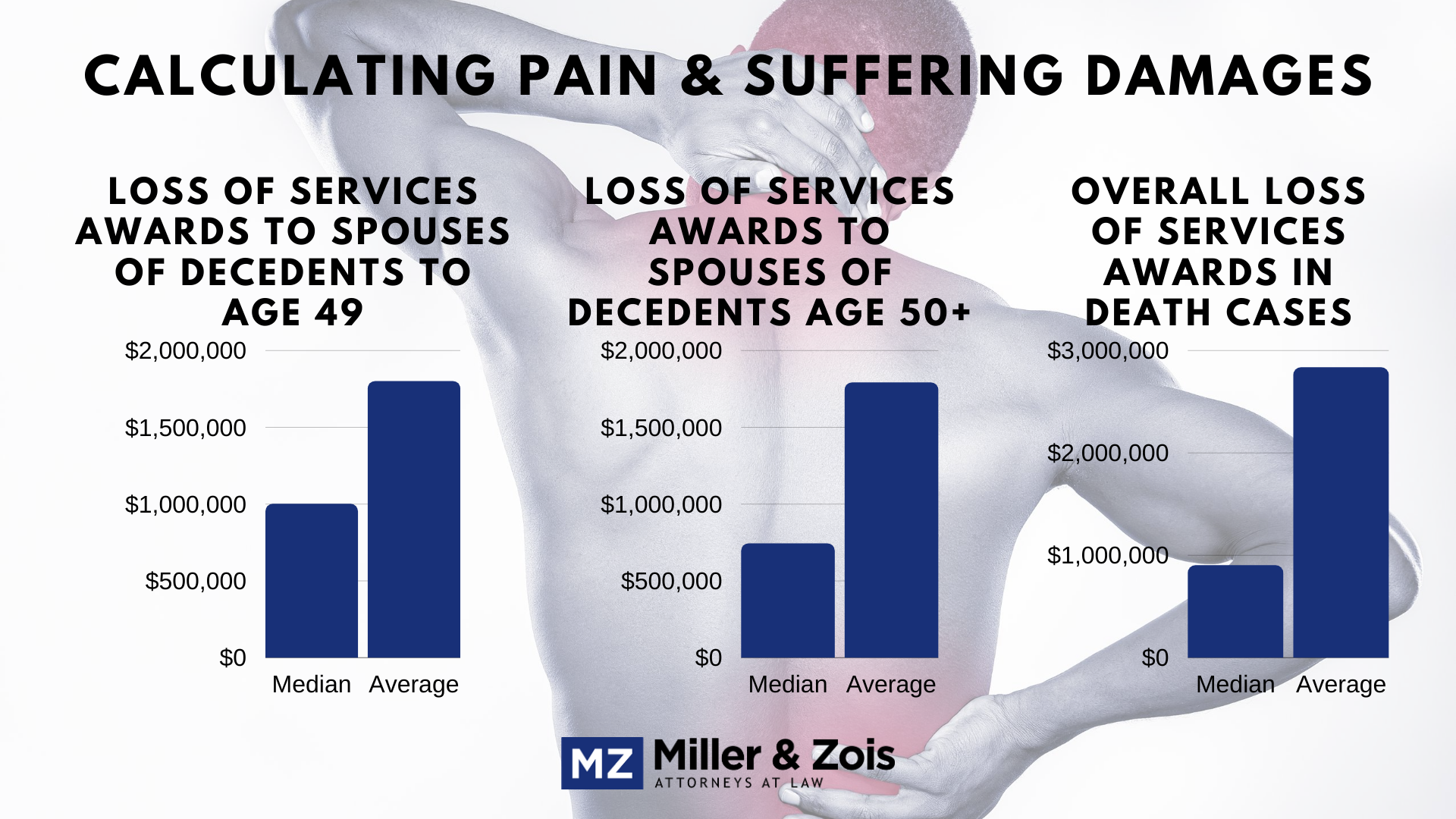
As we conclude our exploration of pain and suffering calculators, it is evident that these tools provide a structured and objective approach to assessing non-economic damages. While they offer valuable guidance, it is essential to recognize their limitations and use them in conjunction with other forms of evidence.
By navigating the complexities of pain and suffering calculations with empathy, fairness, and a commitment to justice, we can strive to ensure that victims receive just compensation for their intangible losses.